
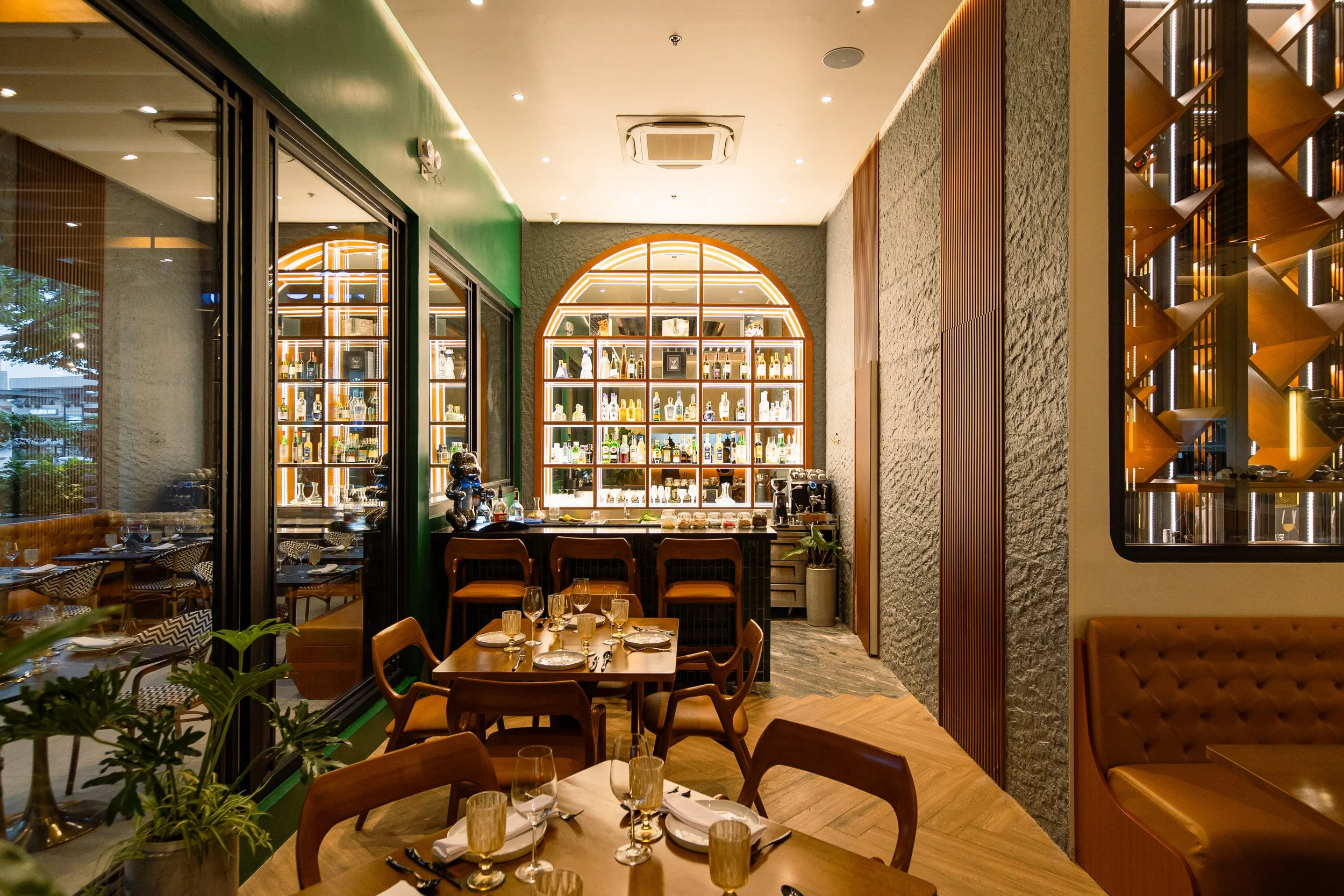
Inspired by the spirit of the Italian trattoria, reimagined for modern Makati.
The word trattoria is often associated with some of the most memorable dining experiences in Italy.
Not because they are formal or extravagant — but because they feel personal.
Traditionally, a trattoria refers to a style of Italian restaurant centered around:
hospitality
comfort
conversation
meals shared gradually around the table
Unlike highly formal fine dining restaurants, trattorias were historically more relaxed and family-oriented. The atmosphere was warm rather than ceremonial, with food designed to bring people together over longer meals rather than rushed service.
Even today, the idea of the trattoria continues to shape how many people think about Italian dining itself.
More Than Just an Italian Restaurant
A trattoria isn’t defined only by the menu.
It’s defined by how the experience feels.
Good trattorias tend to focus on:
atmosphere
pacing
warmth
familiar hospitality
food meant to be enjoyed slowly
The meal becomes less transactional and more social overall.
People linger longer. Wine stays on the table. Conversations continue between courses. The evening unfolds naturally rather than moving toward a strict timetable.
This slower rhythm is part of what continues to make trattoria dining so appealing today.
The Difference Between a Trattoria and Other Italian Restaurants
Italian dining comes in many forms:
osterias
pizzerias
ristorantes
trattorias
Each traditionally carries a slightly different character.
A trattoria generally sits somewhere between casual and refined:
more relaxed than formal fine dining
more personal than larger commercial restaurants
more centered around hospitality than spectacle
The focus is often on making guests feel comfortable enough to settle naturally into the meal.
Why Trattoria Dining Still Resonates Today
In fast-moving cities like Makati, many diners increasingly look for restaurants that allow them to slow down, even briefly.
This is one reason trattoria-style hospitality continues to resonate so strongly.
People aren’t always looking for:
loud environments
rushed meals
heavily produced dining experiences
Sometimes what feels most luxurious is simply:
a comfortable room
thoughtful food
good wine
enough time to genuinely enjoy the people at the table
The trattoria tradition naturally supports this kind of dining.
Northern Italian Influence on Slower Dining Traditions
Many Northern Italian dining traditions align especially well with this slower, more balanced style of hospitality.
Northern Italian cuisine often emphasizes:
restraint
texture
ingredient quality
pacing
wine-oriented dining
Meals tend to unfold gradually rather than arriving all at once.
The experience feels composed without becoming overly formal — elegant, but still deeply comfortable.
Tavolo — Contemporary Northern Italian Dining in Makati
While Tavolo is more contemporary and refined in atmosphere than a traditional trattoria, the restaurant draws inspiration from many of the same Italian dining values:
conversation
hospitality
slower pacing
meals designed to be shared gradually
The experience is intentionally designed around balance — not only in the food itself, but in how the evening unfolds overall.
Rather than creating a loud or hurried environment, the restaurant encourages guests to settle naturally into the meal.
This makes Tavolo particularly well suited to:
longer lunches
quieter dinners
birthdays
intimate gatherings
evenings centered around conversation and wine
The menu follows the same philosophy.
Dishes are designed to feel balanced and structured throughout the meal rather than overly heavy or overwhelming, reflecting a more contemporary Northern Italian approach to dining.
A Dining Experience Meant to Be Shared
One of the defining qualities of traditional Italian hospitality is the idea that meals are meant to unfold gradually over time.
Guests often begin with:
lighter starters
wine
smaller plates
before slowly moving toward pasta or mains.
The pacing encourages conversation to remain central to the experience itself.
This slower rhythm changes how the evening feels overall.
The idea of the trattoria has always been about more than food alone.
It represents a style of hospitality where atmosphere, comfort, conversation, and pacing matter just as much as what arrives on the plate.
While contemporary restaurants may interpret these traditions differently today, the appeal remains the same: spaces that allow people to slow down, gather comfortably, and genuinely enjoy the experience of dining together.